
Leak detection and repair in Bournemouth
Bournemouth homes range from Victorian villas to modern seafront apartments. Hidden leaks can start in any of them, because pipes age in every kind of building. Our leak detection and repair service traces the source with non-invasive checks before anything is opened up.
This page explains what makes Bournemouth different, since the housing is so varied. For the full list of signs and methods, see our main leak detection and repair page. The Bournemouth hub also covers local ground conditions.
Signs of a hidden leak
These are the signs we hear about most often, although not every leak shows them:
- Damp patches, stains or bubbling paint on walls and ceilings
- Mould or a musty smell that keeps returning
- A water meter that moves when every tap is off
- A higher water bill with no change in how you use water
If water is escaping right now, turn off the stop tap and read about our emergency plumber in Bournemouth service.
Why leaks are hard to trace in Bournemouth
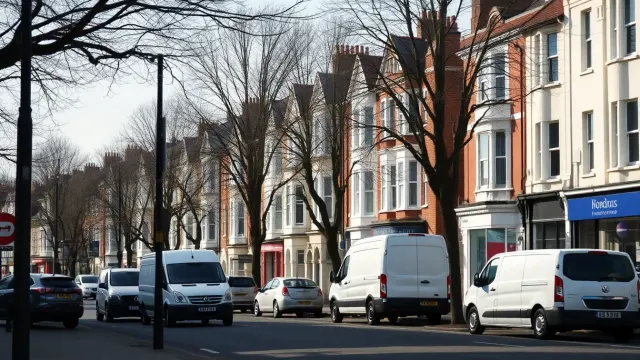
Large Victorian and Edwardian villas near the university and around Charminster are now split into flats and HMOs. Pipes built for one household now serve several kitchens and bathrooms. As a result, damp in one flat may come from a leak in another.
Many old guesthouses in town became flats too. Because owners have changed many times, drainage and pipework often show signs of past work, with mixed materials and hidden joints. That is why a careful, step-by-step approach saves time.
The cliffs and the sandy clay beneath them also move slowly. As a result, a small fault in this ground lets water spread fast, so pipe beds get undermined and sinkholes can follow. Cliff-top homes on East Cliff and West Cliff need extra care.
How we find the leak
We start with the least disruptive checks, since they cause the least mess. Depending on the job, these can include a meter test, isolating sections of pipework, pressure testing, listening with acoustic equipment, thermal imaging and tracer gas or dye. We explain which checks suit your property before we begin.
If the water is coming from a drain rather than a supply pipe, a CCTV drain survey shows the inside of the pipe. Our drain repairs service can then fix any damage. We do not work on boilers or heating systems.
Areas of Bournemouth we cover
We take enquiries across Bournemouth, including Boscombe, Winton, Charminster, Southbourne, Springbourne, Westbourne, Moordown, Talbot Woods, Kinson and Pokesdown.
Our wider service also covers Poole and Wimborne Minster for enquiries. If your leak needs urgent attention, see our emergency plumber service. Our guide on what to do before the engineer arrives also helps while you wait, and why a drain survey matters when buying a home shows how a camera survey can trace drain faults.
Leak Detection & Repair in Bournemouth — FAQs
How do you find a hidden leak in a Bournemouth flat?
We start with non-invasive checks such as a meter test, isolating sections of pipe, pressure testing and listening for escaping water. While checking converted flats, we also look at whether the water is coming from a neighbouring property. We explain the approach before we start.
Can a leak in the flat above cause damp in mine?
Yes. Because pipes are shared in converted villas, a leak in one flat can show up as damp in another. Tell your landlord or managing agent, and send us the details so we can help trace the source.
Do you repair heating or boiler leaks in Bournemouth?
No. We do not work on boilers, gas appliances or central heating systems, since gas work needs specialist registration. A Gas Safe registered engineer should handle those. We can help with leaks on water supply pipes, waste pipes and drains.
Helpful articles
Emergency Services
Emergency Drain Problems: What to Do Before the Engineer Arrives
When drains fail, quick action limits the damage, since standing water and sewage cause problems the longer they sit. Here's how to protect your property while waiting for help.
CCTV SurveysWhy Every Home Buyer Needs a CCTV Drain Survey
A CCTV drain survey before buying a property can reveal hidden problems, since defects rarely show above ground until they get worse. Here's what you need to know.