Drainage in Poole
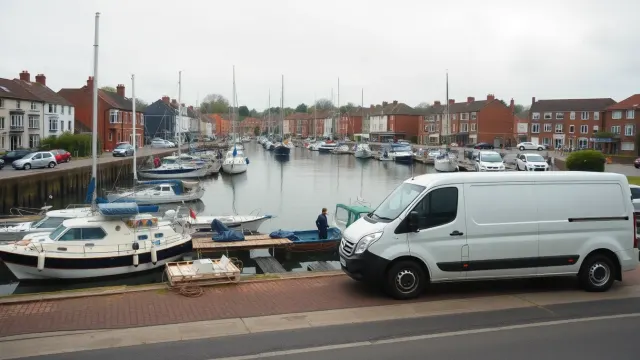
Poole sits beside one of the world's largest natural harbours. This shapes drainage across the whole town. The water table in central Poole, Hamworthy, and the Quay stays high, close to the surface.
Even a small pipe fault can let groundwater in fast. Extra water can overwhelm the system and cause back-flow. The reclaimed land near the Quay and Twin Sails Bridge adds risk too, since mixed made ground sits above old harbour silt there, so digging needs care.
Sandbanks brings a different challenge. These homes sit on a narrow sand spit, and the salty water table sits close to the surface here. As a result, salt in the ground speeds up corrosion, even in modern pipe materials.
Sandy, free-draining soil can wash out a pipe bed if a joint fails. Some older Sandbanks homes may still have old clay drain runs. Age, ground movement, and root intrusion from garden planting all add pressure now.
Poole's Old Town and the streets near the Quay still use Victorian and Edwardian drainage. Many pipes there combine surface water and foul water in one line. Denser housing and higher water use push these old systems hard.
Tree roots are a steady problem on older streets in Parkstone and Longfleet, since mature trees and garden planting seek moisture in old clay pipe joints. Homes near Poole Park's lake and the Bourne Stream also feel this pressure. Winter rain raises groundwater and surface water there.
The heathland soil north of Poole, around Canford Heath, is sandy and acidic. It drains well on its own, while the loose ground can shift over time. This slow shift can misalign pipes and separate joints before anyone notices a problem.
Our engineers know Poole's varied ground and drainage history well. We adjust our approach to your part of town. For example, that could mean a harbour-edge property with a high water table, or a heathland home with shifting soil.