Drainage in Wareham
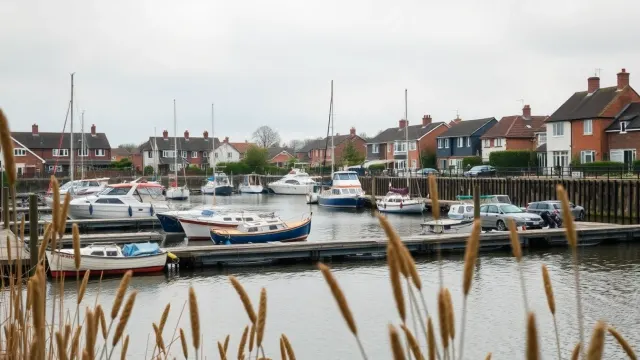
Wareham is almost entirely ringed by water. The Saxon town walls sit on a promontory between the River Frome to the south and the River Piddle to the north. Both rivers meet near Swineham Point before reaching Poole Harbour.
This gives Wareham one of the highest flood risks of any small Dorset town. Ground level in the centre sits only just above normal river levels. During major floods, streets such as North Street and the area near the Quay can flood, as they did in 2012.
The water table beneath the town can stay high, especially in wet months. Drains in the older streets inside the town walls often work in damp ground. Many clay pipes here date to the late Victorian period. They face steady groundwater pressure and root intrusion from mature street trees.
The soil is mostly Frome valley alluvium: heavy, clay-rich, and slow to drain. As a result, managing both surface and foul water is harder across the town.
Wareham's Purbeck stone buildings give the town its distinct look. However, they add access challenges for drainage work. Thick stone walls and old flagstone floors make it hard to trace a drain route without a proper CCTV survey. Many homes on South Street and North Street carry Listed Building status, so drainage work there needs a careful, sensitive approach.
Stoborough, Northport, and Sandford sit just outside the walls on slightly higher ground, with lower flood risk. They still connect to the same river drainage catchment. Holton Heath, to the east, mixes homes with land from the old Royal Naval Cordite Factory, and ground conditions there reflect that industrial past.
Our engineers understand Wareham's mix of old buildings, high water tables, and real flood risk. We give honest, practical advice about what works well in the town's tricky ground.