A plumbing emergency is any problem where water or sewage is causing damage or a safety risk that you cannot stop yourself. Water coming through a ceiling is one example. Sewage backing up into the house is another. Anything else can usually wait for a booked visit.
This guide covers water and drainage only. It helps you decide quickly, so you know what to do while you wait for help.
The test: can you stop it?
First, ask whether you can stop the water, because that decides how urgent it is. Most homes have a stop tap, which cuts the water supply to the whole house. It is usually under the kitchen sink, but it can also be in a downstairs bathroom, a garage, a cellar or under the stairs.
If closing the stop tap stops the problem, you have bought yourself time. However, if it does not, or you cannot find the tap, treat the situation as urgent. In that case, an emergency plumber is the right call.
Problems that are usually a true emergency
Some situations cannot wait, because the damage grows with every hour. These are the ones to treat as urgent.
- A burst pipe or fast leak that keeps running after the stop tap is closed
- Water near electrical sockets, light fittings or the fuse box
- Sewage or foul water coming up through a toilet, shower or floor drain
- Flooding in the house that is spreading to other rooms
- No water at all, when you suspect a burst pipe on your own supply
Water and electricity are a dangerous mix, so take care. If water has reached your electrics, do not touch them. Switch the power off at the fuse box only if you can do so safely, and keep everyone away from the wet area.
Problems that can usually wait
Many plumbing faults feel urgent but are not. A slow-draining sink, for example, is annoying rather than dangerous. A dripping tap wastes water, but it can wait for a normal appointment.
The same goes for a single blocked basin or a toilet that still flushes slowly. In these cases, a blocked drains visit can be booked at a convenient time. Meanwhile, avoid pouring more water down the fixture.
A toilet that will not flush at all is a middle case. If you have a second toilet, it can wait. However, if it is your only one, it becomes much more pressing, especially in a busy household.
Drainage emergencies are different
Drains behave differently from supply pipes, because you cannot switch them off. When a drain is blocked, waste water has nowhere to go. As a result, it can rise through the lowest outlet in the house.
If this happens, stop using sinks, showers, washing machines and toilets straight away. This matters because every extra flush adds to the problem. For more on this, read our guide to emergency drain problems and what to do before help arrives.
Early warning signs often appear days before a full backup. Because gurgling, slow drainage and bad smells all point to a developing blockage, they deserve attention. Our guide to the signs of a blocked drain explains what to look for.
What to do while you wait
Once you have decided it is urgent, a few simple steps limit the damage, since every minute counts. They apply to most water emergencies.
- Close the stop tap to cut the water supply
- Open the cold taps to drain the pipes, then close them again
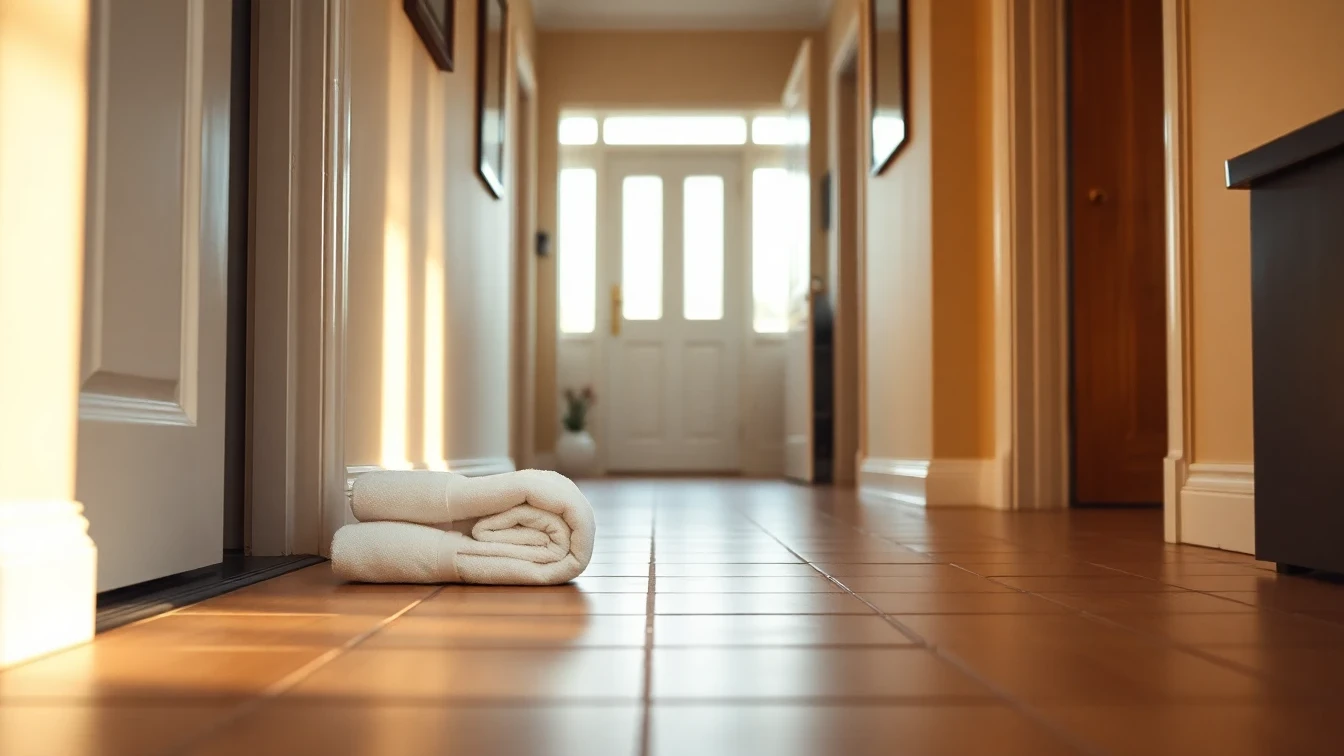
- Soak up escaping water with towels and move belongings out of the way
- Keep clear of electrics if they are wet
- Take photos of the damage in case you need them for your home insurer
For burst pipes in particular, our step-by-step guide on what to do about a burst pipe before the plumber arrives goes into more detail. Tell your insurer as soon as you can, because they can explain what your policy covers.
Emergencies in Poole and Bournemouth
If you live in the area, our team covers Poole and Bournemouth, along with nearby towns. You can see how we help with urgent jobs on our emergency plumber in Poole page. There is a matching page for emergency plumber help in Bournemouth.
However, the cause is not always obvious. A damp patch or a sudden drop in water pressure can point to a hidden fault. If you suspect that, read about the signs of a hidden water leak.
Be ready before it happens
Because most emergencies come without warning, a little preparation helps. Find your stop tap now and make sure everyone at home knows where it is. Check that it turns, since a stiff tap is no use in a crisis.
After an emergency, ask the plumber what caused the fault and whether it could return. That way, you can fix the cause as well as the damage. Keep photos and notes together, because your insurer may ask for them.
Common questions
Is a dripping tap an emergency? No. It wastes water, but it can wait for a booked visit.
Is a blocked toilet an emergency? It depends. If it is your only toilet, or waste is rising, treat it as urgent. Otherwise, it can usually wait a short while.
How much will it cost? Costs depend on the fault, the time and the parts. Because of this, the best approach is to ask for a quote once you have described the job.
Tell us what is happening
If you are unsure whether your problem counts as urgent, describe it to us, because details help. Use the enquiry form on our contact page and tell us what you can see, where it is and whether you have closed the stop tap. We will use that to understand the job and send you a quote.