
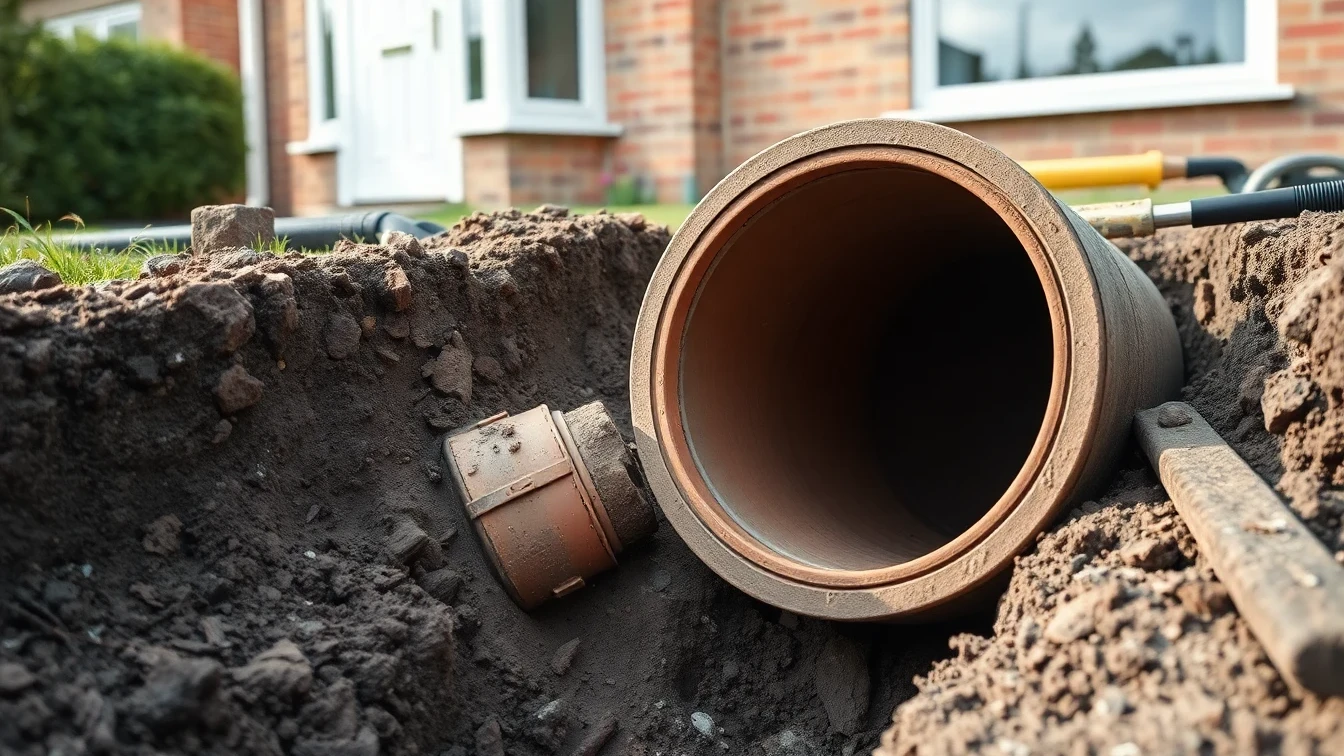
A hidden water leak often shows up as a damp patch, a higher water bill or a drop in water pressure. Although the signs vary, a simple meter test can confirm whether water is escaping. If it is, leak detection finds the exact spot so a repair can be targeted.
Leaks inside walls, under floors or underground are easy to miss, because nothing shows at first. This guide explains what to look for and what to do next.
Signs of a hidden leak
While water company guidance lists several common signs, Thames Water and South West Water both mention similar clues.
- Wet or damp patches in the garden during dry weather
- Greener or faster-growing grass in one spot
- A noticeable drop in water pressure
- Noisy pipes
- An unexpected rise in your bill, if you have a water meter
- Cracks in paving or dirt and air in your water
Inside the home, look for damp walls, peeling paint or a musty smell. Stains on a ceiling are another warning. However, these signs can have other causes, such as condensation or a roof leak.
Try the meter test
A water meter test is the easiest first check. It works because it shows whether water is moving through your supply when nothing should be using it. South West Water and Thames Water both describe the same basic method.
First, turn off all taps and appliances, including the ones outside. Next, take a reading from your meter. Then wait. Thames Water suggests 30 minutes, while South West Water suggests a longer gap such as overnight.
After that, read the meter again. If the readings are the same, you probably have no leak. However, if they differ, water is going somewhere.
Narrow down where it is
If your meter is outside, you can narrow the search. Turn off your internal stop tap and repeat the test. If the meter still moves, the leak is between the meter and your stop tap. If it stops, the leak is on the property side of the stop tap, and that part is your responsibility.
Your water company may be able to help with a leak on its side of the meter. However, contact them first if the meter keeps moving after you close the stop tap.
Who is responsible for the pipe?
The Consumer Council for Water explains that the supply pipe from your house to the boundary of your property is your responsibility. The water company looks after the main and the pipe that links the main to your supply pipe.
This matters because a leak on your supply pipe can be expensive and hard to see. Landlords and tenants should also check their agreement. If you rent, tell your landlord straight away.
Why leak detection beats guesswork
Without leak detection, repairs often mean opening up floors and walls in several places. That is slow, messy and expensive. Careful detection aims to locate the fault first, because that keeps the repair as small as possible.
Our leak detection service exists for exactly this situation, because guesswork wastes time. We also have a page for leak detection in Bournemouth. If you are in the wider area, read about the town on our Bournemouth page or our Poole page.
When the leak is in the drains
However, not every hidden leak comes from clean water pipes. Damaged drains can also leak into the ground. Warning signs include persistent damp near a drain run, sunken ground or a bad smell outside.
A camera inspection can show cracks, broken joints or roots. Our CCTV drain surveys look inside the pipe without digging. If the survey finds damage, drain repairs can fix it. To check who must pay, read who is responsible for a blocked drain.
What to do right away
If you think there is a leak, a few quick steps help. They cost nothing, and they make the next call easier because you have details ready.
- Do the meter test and write down the readings
- Note where the damp or stain is and take photos
- Check your last few water bills for a rise
- Find your stop tap in case you need to close it
If water is flowing freely, close the stop tap and treat it as a burst. Our guide on what to do about a burst pipe explains the steps. To judge how urgent the problem is, see what counts as a plumbing emergency.
Keep a record
A short record makes leak detection quicker. Write down the date you first noticed each sign, and note whether it gets worse. Photograph damp patches, stains and the meter dial.
Because leaks change over time, a record also shows whether the problem is growing. As a result, whoever inspects your property starts with facts rather than guesses. Share it when you ask for a quote.
Common questions
Can a leak cause damage even if I cannot see it? Yes, because water can soak into plaster, timber and insulation before any stain shows.
Does a high bill always mean a leak? No. However, extra use, such as visitors or a new appliance, can explain a higher bill. The meter test helps you check.
How much does leak detection cost? The price depends on the property and the method. Ask for a quote once you have described the signs.
Describe the problem to us
If you suspect a hidden leak, tell us about it through the enquiry form on our contact page. Include any meter readings, the places you have seen damp and when you first noticed it. We will use that to prepare a quote.